
The Complete Packing Guide for Digital Nomads (2026)
A standard holiday checklist is not enough when your luggage also carries a mobile office. A practical digital nomad packing list must balance laptops, chargers, clothing, travel documents and hostel essentials while staying within airline baggage limits. Travelling in Australia adds several considerations, including Type I power plugs, changing weather conditions, strict biosecurity rules and different domestic carry-on allowances.
This guide covers the essentials through a quick checklist, detailed packing categories, advice on what to pack or buy after arrival, and a printable version to help you organise everything before departure.
Explore more: Full Digital Nomad Guide in St Kilda + Ideal Places to Work
Digital Nomad Packing List at a Glance
1. Documents and Money
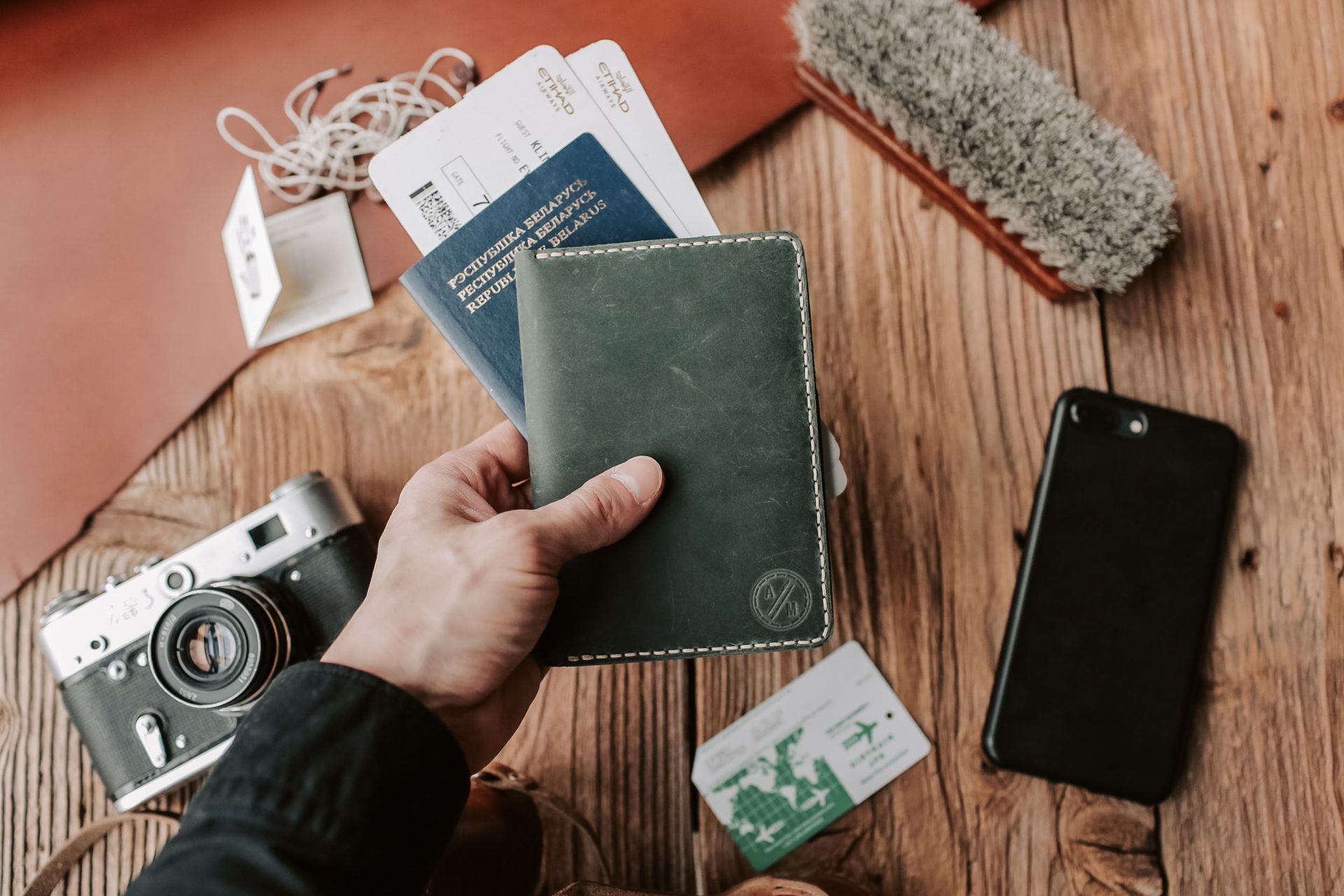
Keep your most important travel information together and accessible throughout the journey. Essential items include:
- Passport, relevant visa documents, travel insurance details, payment cards.
- Prescription documents and emergency contact information.
Note: You should store secure digital copies separately in case the originals are lost or damaged.
2. Mobile Office
Your mobile office should contain everything required to complete a normal workday without relying on checked luggage.
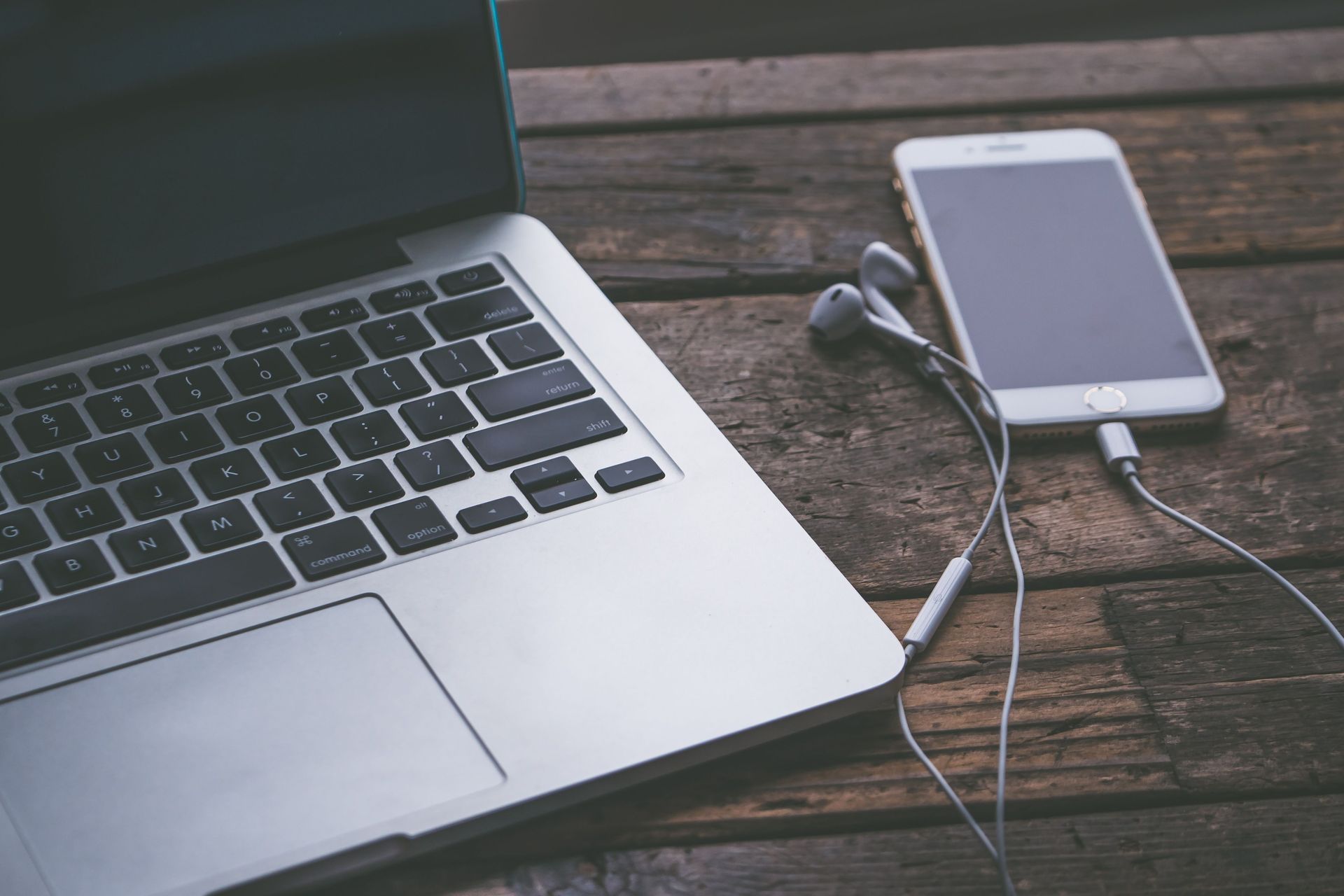
- Pack your laptop, charger, phone, headphones.
- Type I power adapter, power bank, USB-C hub
- All essential charging and data cables.
You need to keep this equipment organised in your carry-on and protect fragile devices with suitable sleeves or cases.
3. Clothing
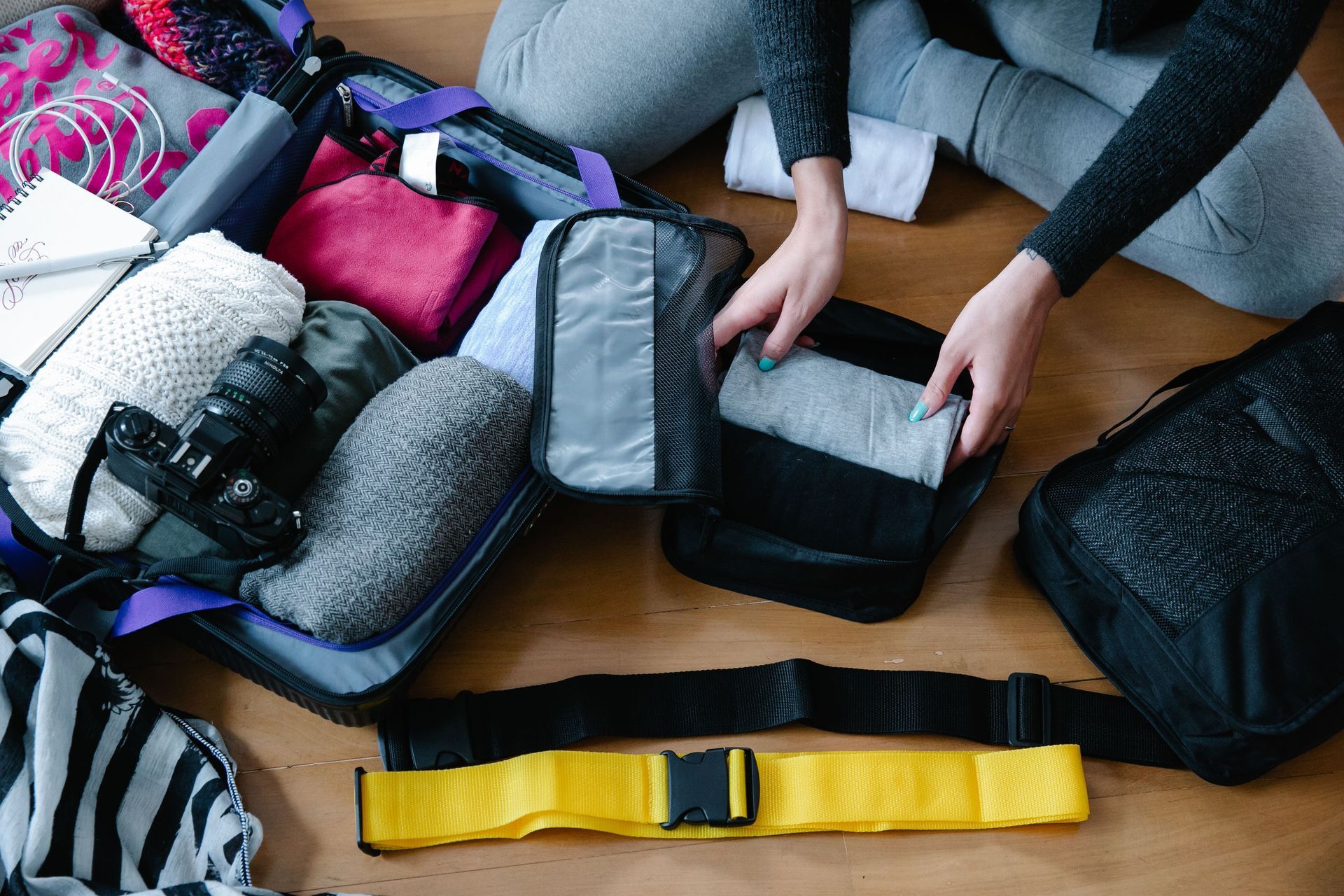
Build a lightweight wardrobe around approximately one week of wear rather than packing for the entire trip. A practical capsule should include a seven-day selection of interchangeable clothing, one warm layer, a waterproof outer layer, sleepwear, swimwear and no more than two or three pairs of shoes.
Prioritise clothing that can be layered, washed regularly and worn in different settings.

4. Hostel Essentials
A few small items can make shared accommodation considerably more comfortable.
- A padlock for lockers, an eye mask, earplugs, shower thongs
- A compact laundry bag and a quick-dry towel when towels are not provided.
These items support better sleep, shared-bathroom use and more secure storage without adding much weight.

5. Toiletries and Health
Keep toiletries compact and focus on what you will need during the journey and your first few days after arrival.
- Bring travel-sized toiletries, required medication, sunscreen and a small set of basic first-aid supplies.
- Larger, inexpensive products such as shampoo, body wash and laundry detergent can usually be purchased in Australia.
6. Optional Work Equipment
Additional equipment should earn its place by improving productivity enough to justify the extra weight. Depending on your job, this may include:
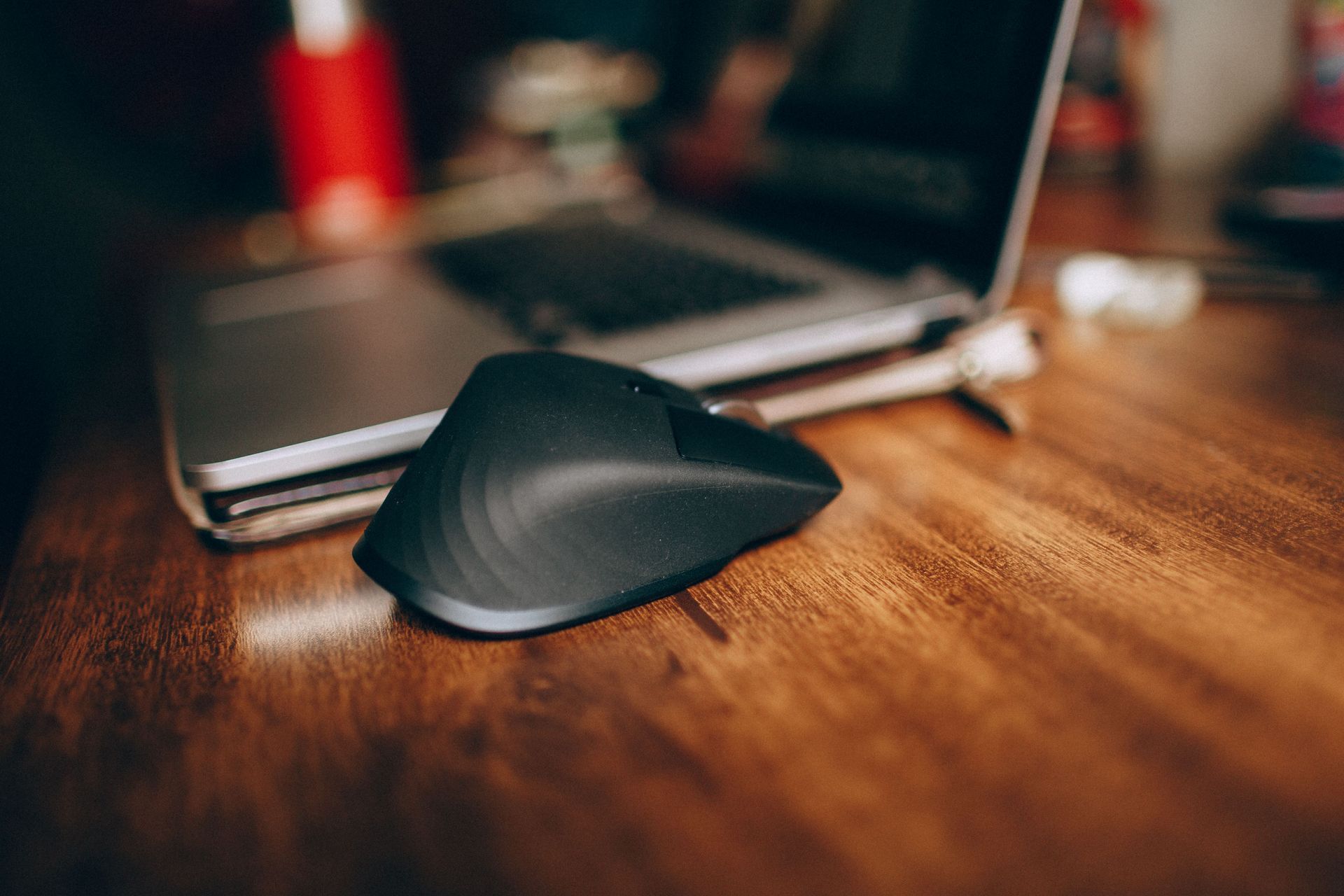
- A foldable laptop stand, compact keyboard, travel mouse.
- Portable SSD, webcam or Bluetooth tracker.
These items can support a more comfortable or secure setup, but they are not essential for every digital nomad.
Choose Your Bag Before Choosing What to Pack
Your bag determines how much you can carry, how easily you can move between destinations and whether your luggage is likely to meet airline cabin limits. A smaller backpack encourages more disciplined packing, while a larger option provides extra room for clothing and work equipment. Before buying, check the bag’s external dimensions, empty weight, laptop protection and the baggage allowance attached to your fare, as a backpack’s litre capacity does not guarantee that it will qualify as carry-on luggage.
| Comparison | 30–35L Backpack | 35–40L Backpack |
|---|---|---|
| Best suited for | Minimalist digital nomads, shorter trips and travellers following warmer climates | Long-term travellers, multi-season trips and digital nomads carrying more work equipment |
| Packing capacity | A compact mobile office, a small seven-day wardrobe and essential toiletries | A complete mobile office, a broader capsule wardrobe and a few additional comfort items |
| Main advantage | Lighter, easier to carry and more convenient on public transport | Provides more flexibility without immediately requiring checked luggage |
| Main limitation | Limited space for bulky clothing, extra shoes or specialist equipment | Easier to overpack and may exceed airline weight limits when fully loaded |
| Technology setup | Best for a laptop, charger, headphones and compact accessories | Better for additional equipment such as a keyboard, camera or portable SSD |
| Clothing capacity | Works best with lightweight, quick-dry clothing and regular laundry access | Allows room for warm layers, a rain jacket and clothing for different climates |
| Mobility | Easier to manage on stairs, trams and short walks | Still portable, but noticeably heavier when fully packed |
If your trip involves bulkier clothing, camera gear or specialist work equipment, a 45–50L backpack may provide a better balance between capacity and portability. Consider always comparing the packed dimensions and total weight with your airline’s allowance before travelling.
What Goes in Your Carry-On and Checked Luggage?
Separating your belongings correctly can protect valuable equipment and keep essential items accessible during transit. Your carry-on should contain everything needed to complete a normal workday, manage an unexpected delay and protect high-value belongings. Checked luggage is better suited to clothing, larger toiletries and replaceable items that are not required during the journey.
Carry-On or Personal Work Bag
- Laptop and phone
- Power bank and spare batteries
- Laptop, phone and camera chargers
- Passport, visa documents and travel insurance details
- Prescription medication and supporting documents
- Valuable camera or recording equipment
- Headphones with a microphone
- Essential charging and data cables
- One change of clothes
- Wallet, payment cards and emergency cash
- Portable storage devices containing work files
Checked Bag
- Additional clothing and seasonal layers
- Shoes not required during transit
- Full-sized toiletries permitted by the airline
- Laundry bag and washing accessories
- Non-valuable travel accessories
- Bulky clothing that takes up too much cabin space
- Permitted equipment that is not needed during the journey
- Replaceable personal items
Safety note: Keep power banks, spare lithium batteries, valuable electronics, medication and important documents in your cabin baggage. Battery, liquid and checked-luggage rules can vary by airline and route, so confirm the latest requirements before departure. Pack enough essential equipment in your carry-on to continue working even if your checked bag is delayed.
Explore more: Solo Female Travel in Melbourne: Safety Tips & Things To Do Alone
Where to Stay in Melbourne as a Budget Digital Nomad
A well-planned digital nomad packing list makes it easier to travel light, protect your work equipment and stay productive between destinations. By separating carry-on essentials from checked luggage, choosing a practical backpack size and packing for one laundry cycle rather than the entire trip, you can reduce unnecessary weight without sacrificing comfort. Before departure, recheck your airline allowance, Australian biosecurity requirements and any battery or medication restrictions that apply to your journey.
For an affordable and social base in Melbourne,
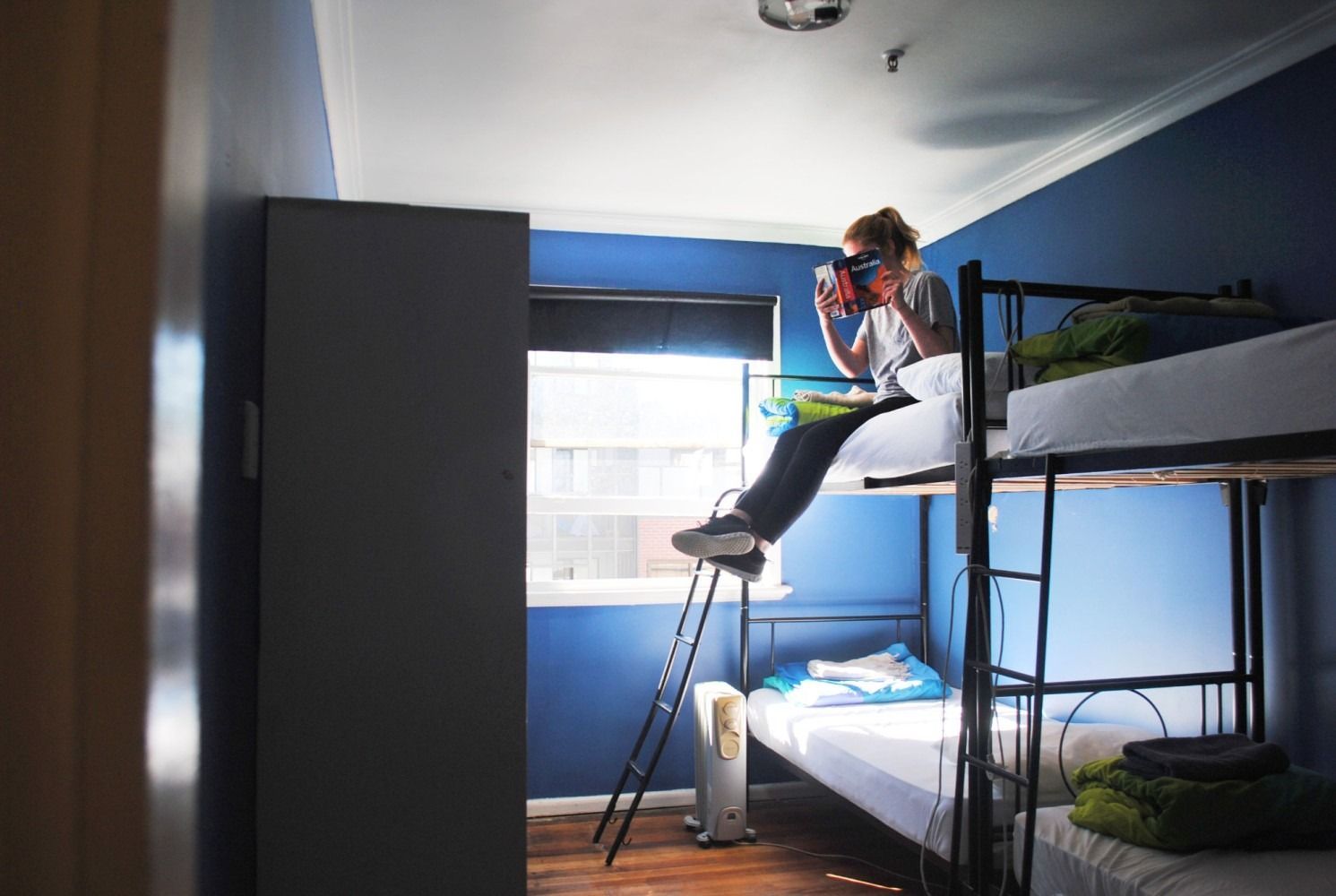
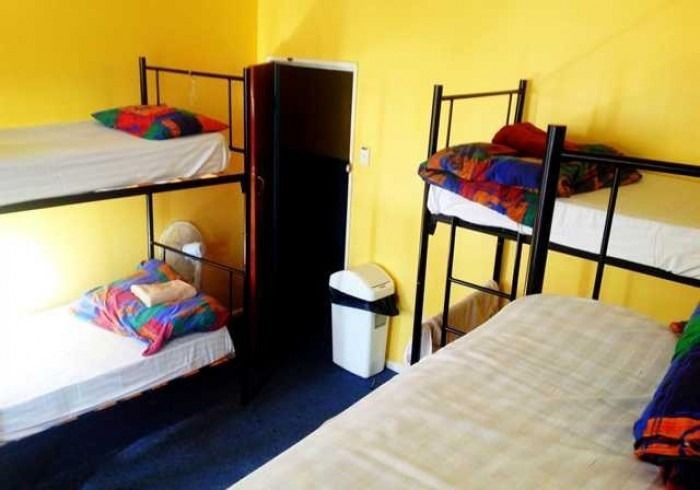
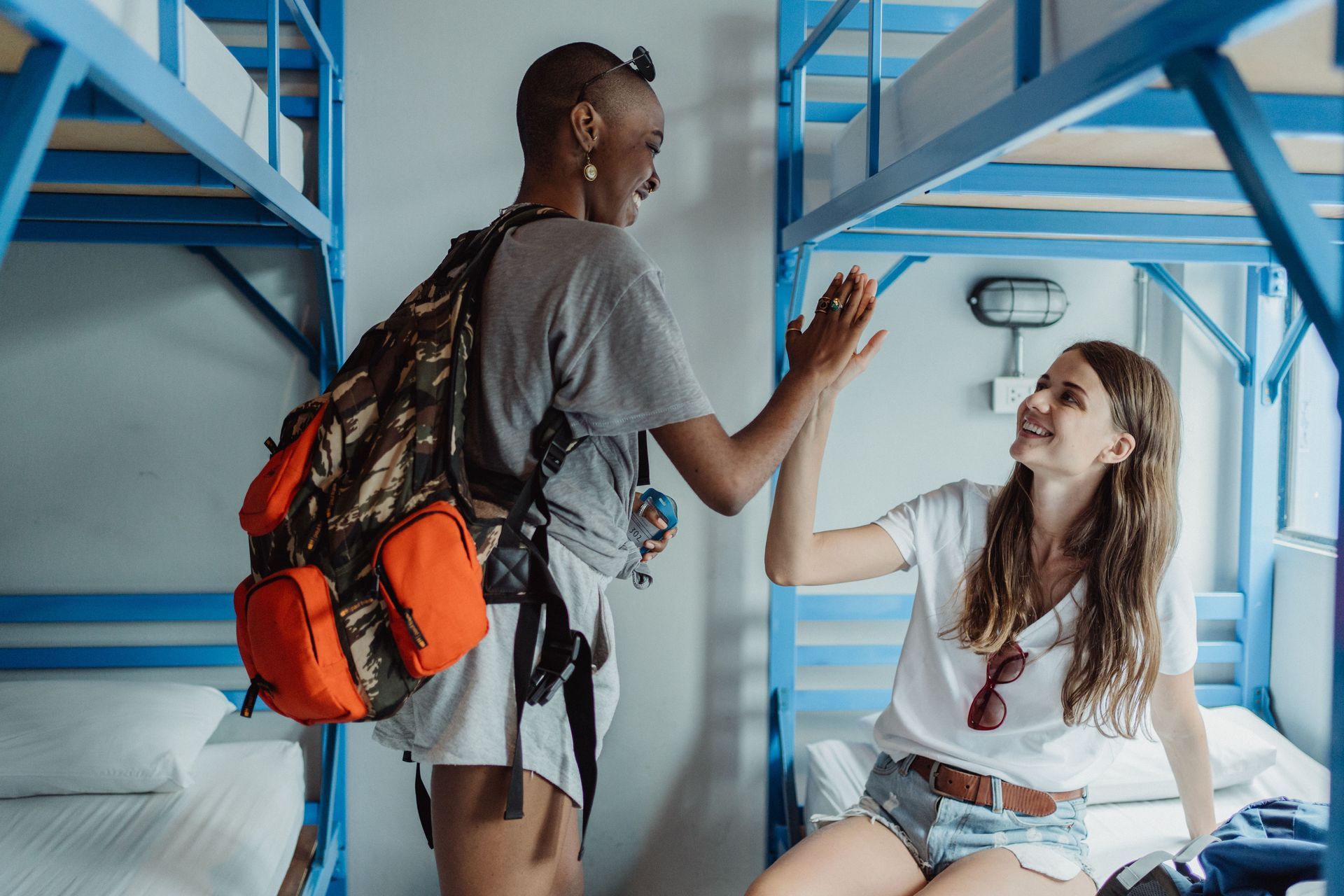
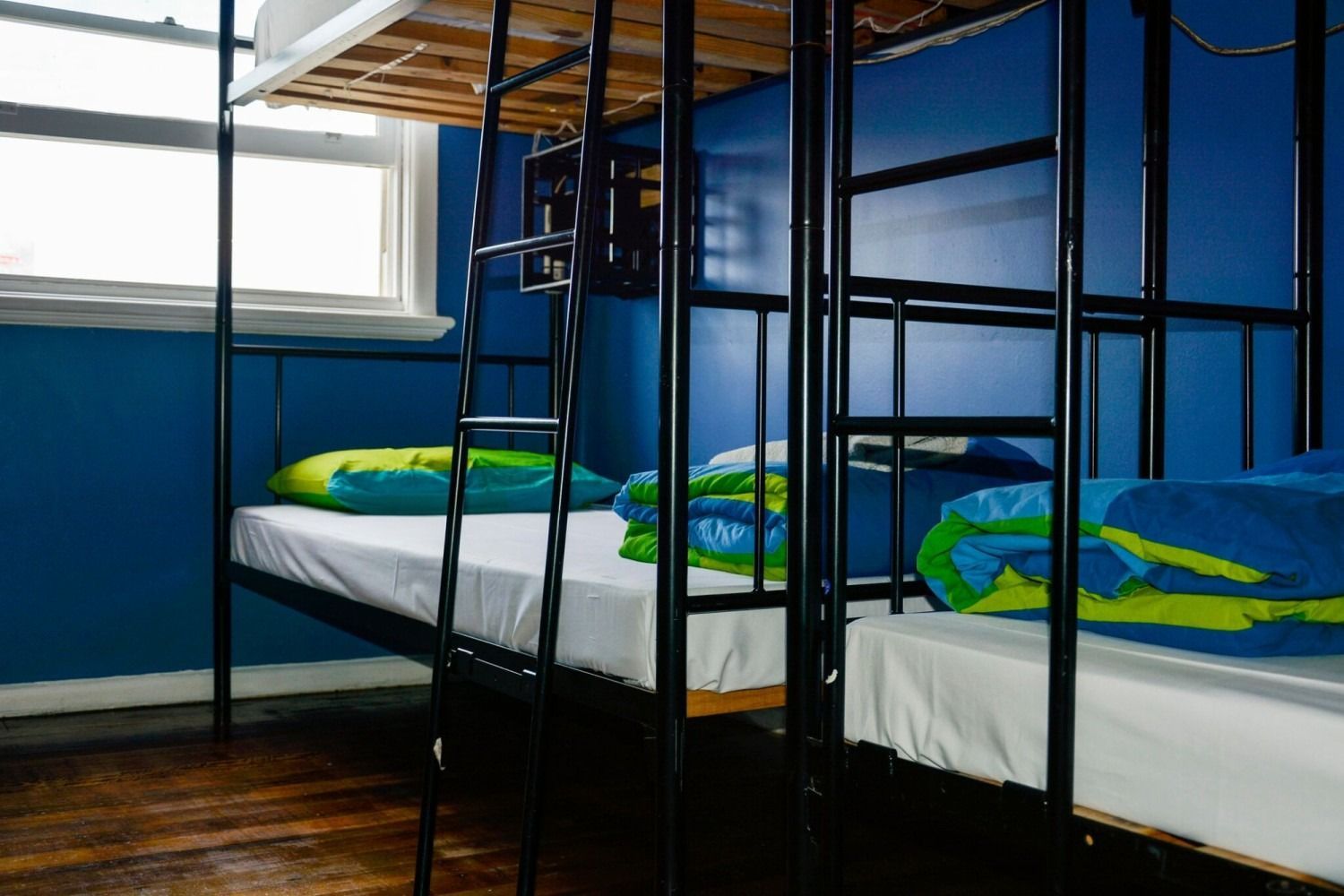
Pint on Punt Backpackers offers dorm and private-room options in St Kilda, along with practical facilities such as lockers, luggage storage, laundry access and shared spaces. Its location provides convenient access to public transport, local cafés, restaurants, nightlife and St Kilda Beach, making it a suitable choice for remote workers who want to balance work, travel and meeting other backpackers.
FAQs
1. Is a 40L backpack enough for a digital nomad?
Yes, a 40L backpack can be enough for a digital nomad carrying a compact work setup, a seven-day capsule wardrobe and travel-sized toiletries. However, a bag’s stated capacity does not guarantee that it meets airline carry-on dimensions or weight limits, so check the requirements for your fare before travelling.
2. How many clothes should a digital nomad pack?
Most digital nomads only need enough clothing for one laundry cycle, which is usually around seven days. Adjust the quantity based on the climate, your work requirements, how often you move between destinations and whether your accommodation provides convenient laundry access.
3. Should a laptop and power bank go in carry-on luggage?
Yes. Keep your laptop, power bank, valuable electronics and work-critical equipment in your carry-on bag. Power banks and spare lithium batteries are generally not permitted in checked luggage, but capacity limits and approval requirements vary, so confirm the current rules with your airline before departure.